
Deciding whether your loved one can safely continue living on their own is rarely clear-cut. Some days things might feel fine, but small incidents or changes can be signs that they need extra support. It can be challenging to discern, and families often struggle to tell a temporary rough patch from real safety concerns.
Key Takeaways: Is It Still Safe for Them to Live Alone? How to Recognize the Signs
- Safety concerns often show up subtly first. Small changes like balance issues, missed medications, or forgetfulness are early indicators that living alone may no longer be safe.
- Risk spans physical, cognitive, and emotional health. Falls, daily task struggles, memory lapses, and social isolation all contribute to a bigger picture of declining independence.
- A structured evaluation removes guesswork. Using a home safety checklist helps families objectively assess risks instead of relying on “good days vs. bad days.”
- Assisted living is a proactive move, not a last resort. It provides built-in safety, social engagement, and daily support while helping seniors maintain independence longer.
- Caregiver stress is part of the equation. Ongoing worry and burnout are signals that the current situation may not be sustainable, and that additional support could benefit everyone involved.
Table of Contents
Key Safety and Health Signs to Watch for in Your Senior Loved One
A Simple Senior Home Safety Checklist
Making the Decision About Assisted Living vs Staying at Home
Let Baruch Senior Ministries Guide Your Decision
Understanding the signs of potential risk, both physical and emotional, can make the decision less stressful and more proactive. Using a structured approach, like a senior home safety checklist, can help you weigh the options of assisted living vs staying at home. Our expert team is here to help you determine when it’s time to move to assisted living and how to approach this new chapter.
Key Safety and Health Signs to Watch for in Your Senior Loved One
Even seniors who seem independent can face hidden risks if they’re aging at home. Look for subtle changes that may mean it’s time for extra support, like:
- Fall risk indicators: Be on the lookout for frequent stumbles, difficulty using stairs, unsteady walking, or balance issues. Falls are one of the leading causes of injury among seniors and a strong sign that you need to reassess if it’s safe for them to live alone.
- Daily living challenges: Be aware of struggles with cooking, bathing, cleaning, or managing medications. Tasks that were once routine may become increasingly difficult for seniors, and these are signs that more support is needed.
- Cognitive changes: Notice confusion, memory lapses, or forgetting to turn off appliances. These can indicate aging in place safety concerns that require your attention.
- Health red flags: Missed medical appointments, difficulty managing chronic conditions, or sudden weight changes can all be signs that your loved one needs a little extra help.
- Emotional and social signs: Withdrawal, anxiety, or depression can increase your stress as a caregiver and signal that more support could improve your loved one’s quality of life.
When to Consider Assisted Living
If several of the above signs appear, it may be time to discuss assisted living vs staying at home. Assisted living isn’t just for crises. It’s a proactive step to help your loved one maintain their independence while ensuring their safety, social connection, and daily support. You’ll notice benefits like:
- On-site care staff that’s available for your loved one’s medical or personal needs
- Structured routines that reduce their fall risk
- Opportunities for socialization, recreation, and group activities
- Peace of mind for both them AND you
Knowing when to move to assisted living doesn’t have to feel like a sudden or stressful decision. Comparing your loved one’s current home safety and daily functioning to those at an assisted living community can help make the transition smoother.
A Simple Senior Home Safety Checklist
A checklist can bring you clarity and reduce your anxiety. When trying to decide if it’s time for assisted living, review your loved one’s situation with these points:
- Home environment: Are the rugs secured? Are the floors free of clutter? Are the hallways and stairs well-lit?
- Emergency readiness: Does your loved one have easy access to phones, emergency numbers, and medical alert devices?
- Kitchen and medication safety: Can they prepare meals safely? Are their medications organized and taken correctly?
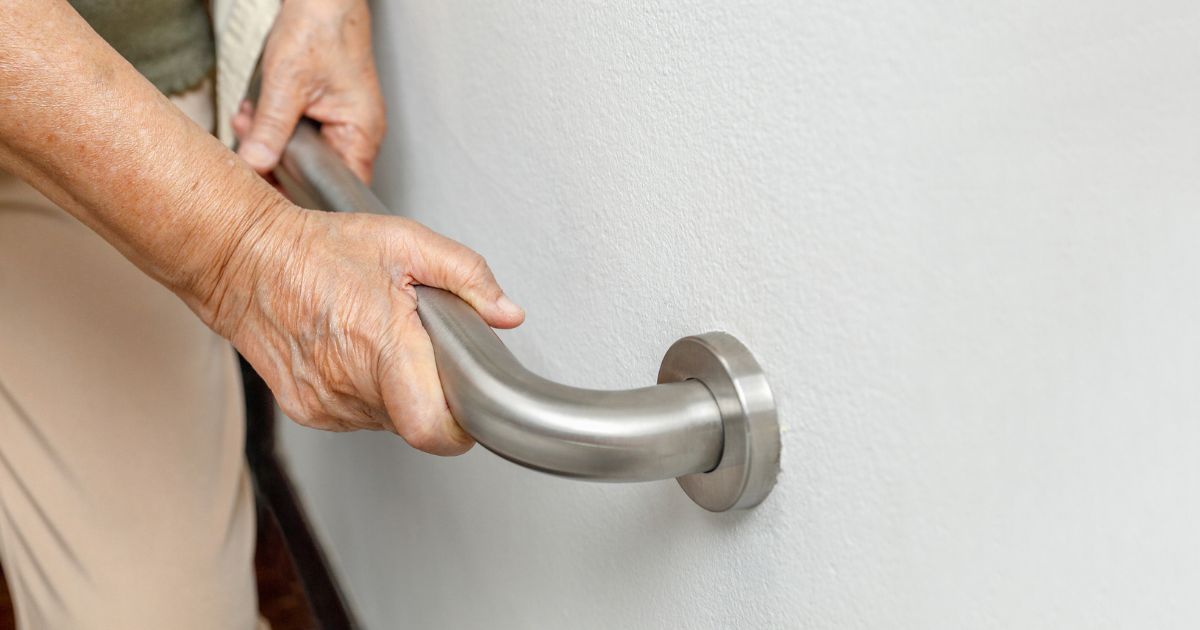
- Mobility and strength: Are grab bars, railings, or walkers available and in use? Can your loved one manage stairs or uneven surfaces safely?
- Cognitive awareness: Are the appliances turned off? Are the doors and windows secured? Does your loved one remember their important appointments?
- Social support: Do they have regular contact with friends, family, or neighbors? Are they isolated for long periods?
Checking these boxes honestly can help you decide whether continued aging in place is safe or if a move to assisted living would be a safer, more supportive solution.
Reducing Your Caregiver Stress
Families often shoulder the worry when a senior loved one lives alone. Signs of caregiver stress include fatigue, irritability, or constant anxiety over safety. Recognizing your stress early can prevent burnout and encourage open conversations with your loved one about support options.
Making the Decision About Assisted Living vs Staying at Home
There’s no one-size-fits-all answer to the decision of assisted living vs staying at home. Some seniors thrive independently with small adjustments, while others benefit from more structured support. Using our senior home safety checklist, observing your loved one at home, and understanding their daily living challenges can make the decision clearer.
Let Baruch Senior Ministries Guide Your Decision
Taking proactive steps now can prevent emergencies later and create a more confident, supportive environment for everyone involved. Let us help guide you through this important decision step by step!